Why Cow Comfort Matters and How Vets Can Make a Difference
Why does cow comfort matter? A practical look at why comfortable cows are healthier, more productive cows, and what vets and advisers can do about it.

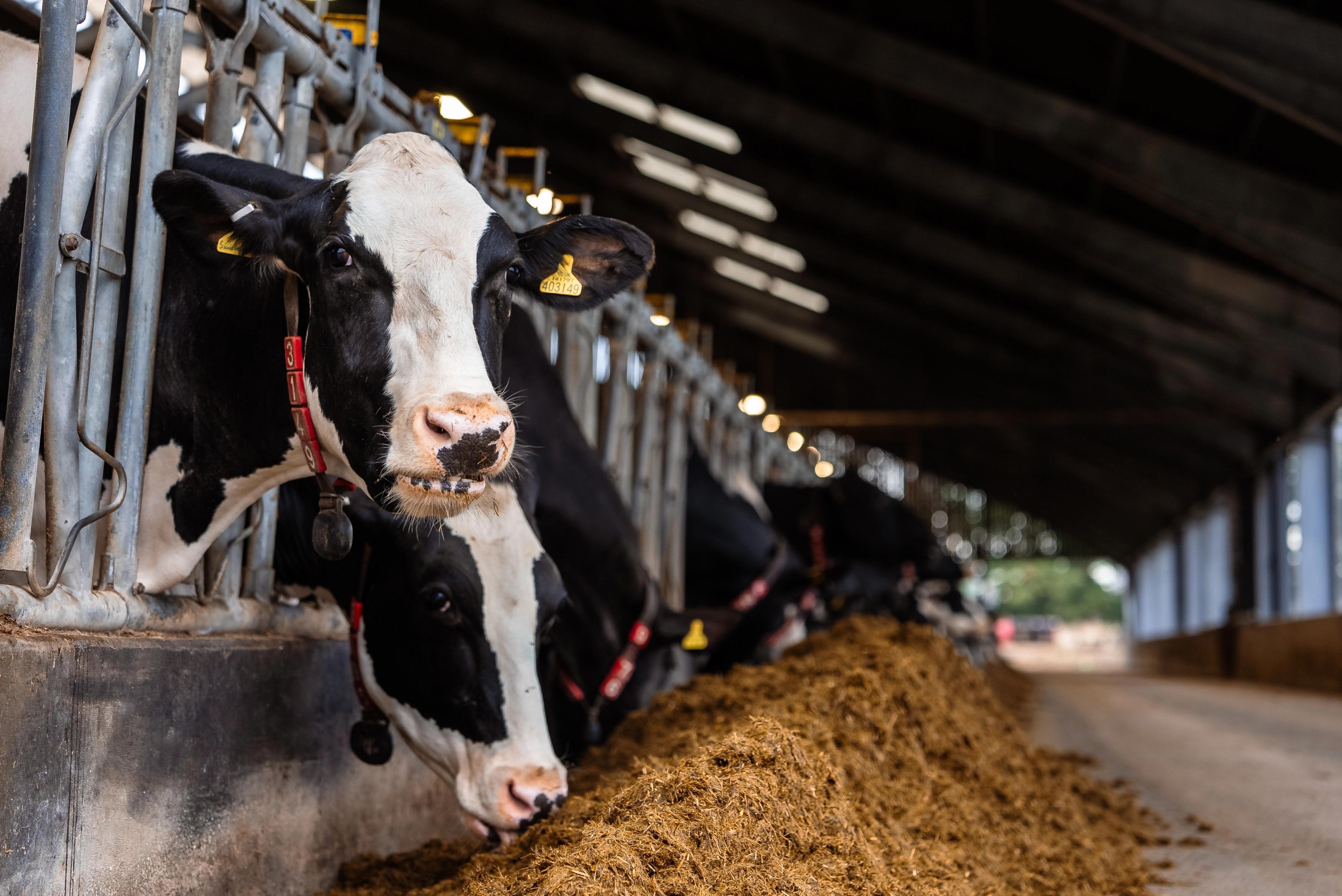
When it comes to dairy farming, animal welfare and productivity go hand in hand. Cow comfort refers to the practices, conditions and environment designed to improve the physical and mental wellbeing of dairy cows. By understanding and addressing factors that contribute to cow comfort, vets and animal health advisers can play a pivotal role in helping dairy farmers maintain healthier, more productive herds.
The link between comfort and health
Cows thrive in consistent, low-stress, comfortable environments. Comfort impacts every aspect of a cow's health, from immune function to risk of disease and reproductive success. But how can we measure whether cows are truly comfortable, and whether comfort is paying off in terms of health, welfare and productivity?
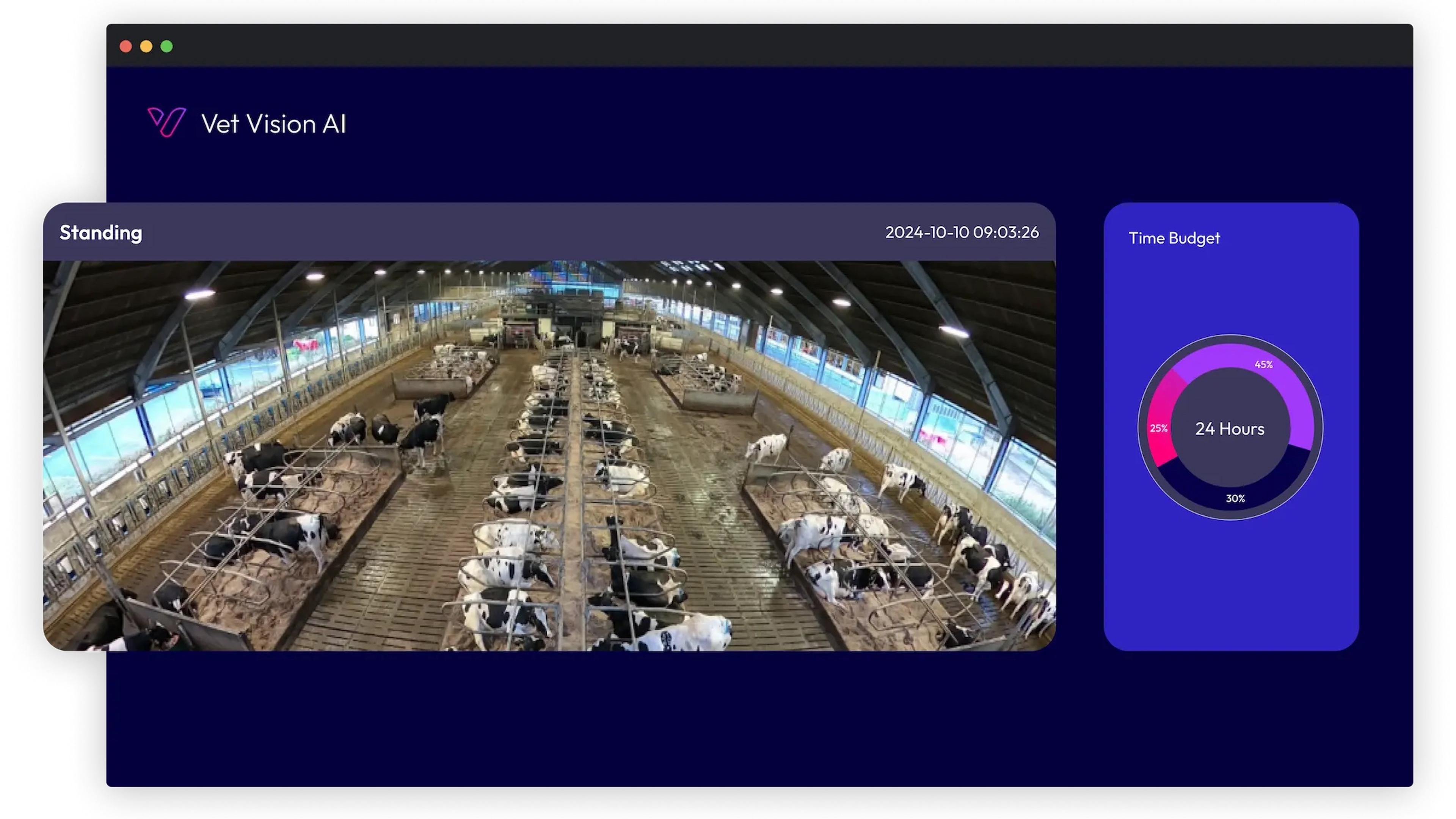
We can assess whether cows are meeting the ideal daily time budget. Under conditions of optimal comfort, a cow will spend approximately 12-14 hours lying down, 3-5 hours eating, and only 2-3 hours standing, walking and loafing.
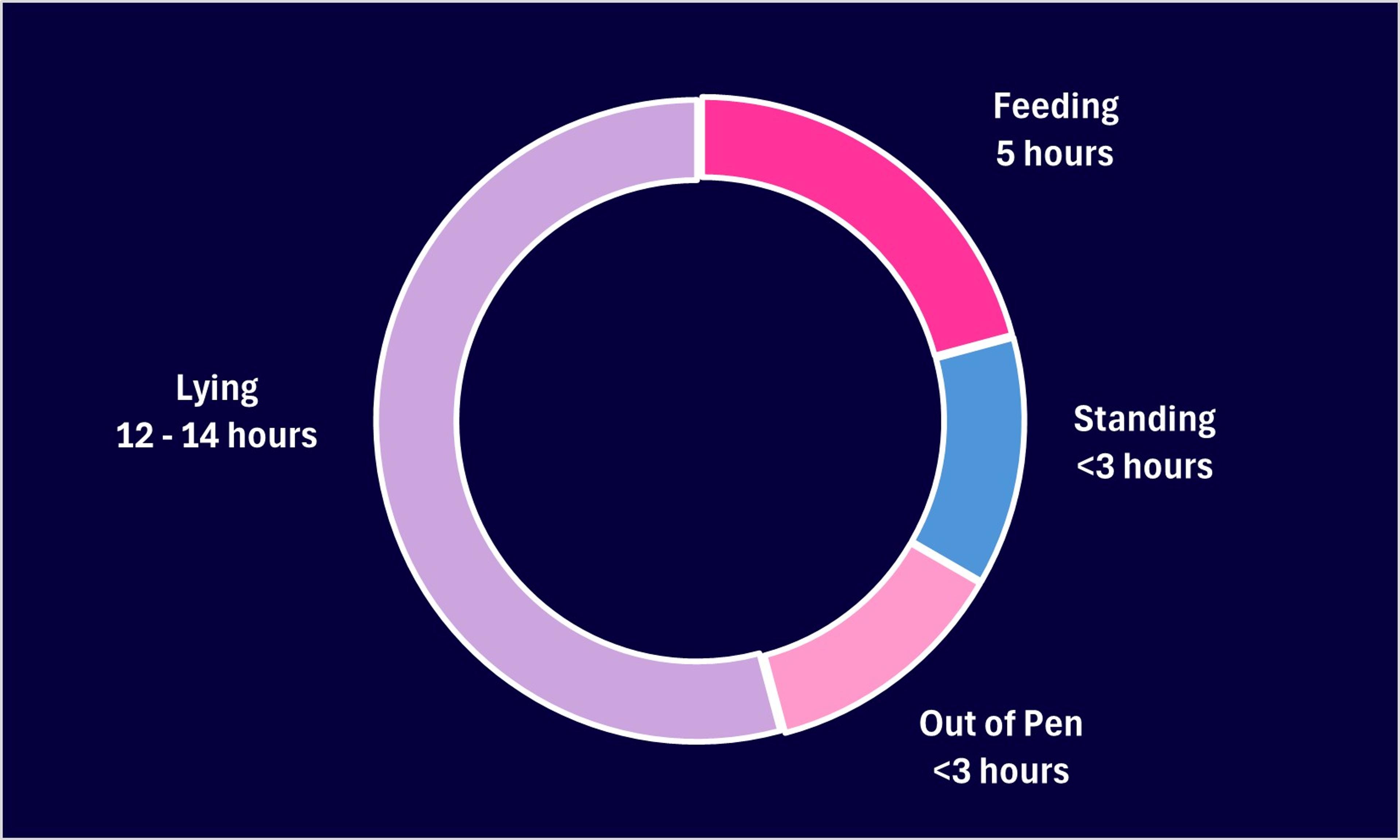
There are only 24 hours in a day. For cows in comfortable environments, 70% of this time is spent lying or feeding. Factor in out-of-pen time for milking and there is not much time left in the time budget.
Cows will prioritise lying time over other behaviours as much as possible. If comfort is compromised by overcrowded cubicles, poor or insufficient bedding, or extended time away from the pen, they will spend more time standing or perching. This uses more energy, puts them at higher risk of lameness, and eats into the time budget for feeding and lying.
Productivity and economic implications of cow comfort
One of the clearest connections between comfort and productivity is seen in milk yield. Studies show that each additional hour a cow spends resting can increase milk production by 1-1.5L per cow per day. Studies have also shown that cows in higher comfort environments have 15-20% lower incidences of mastitis, 10-15% improvement in conception rates and are 30-50% less likely to be culled prematurely.
Comfortable, spacious cubicles, clean bedding, and optimal feed management are proven ways to improve cow lying times and, consequently, health and productivity. Cubicle renovations, bedding improvements, and proper stocking densities may have upfront costs, but can pay for themselves within a few months.
How vets can promote cow comfort on farms
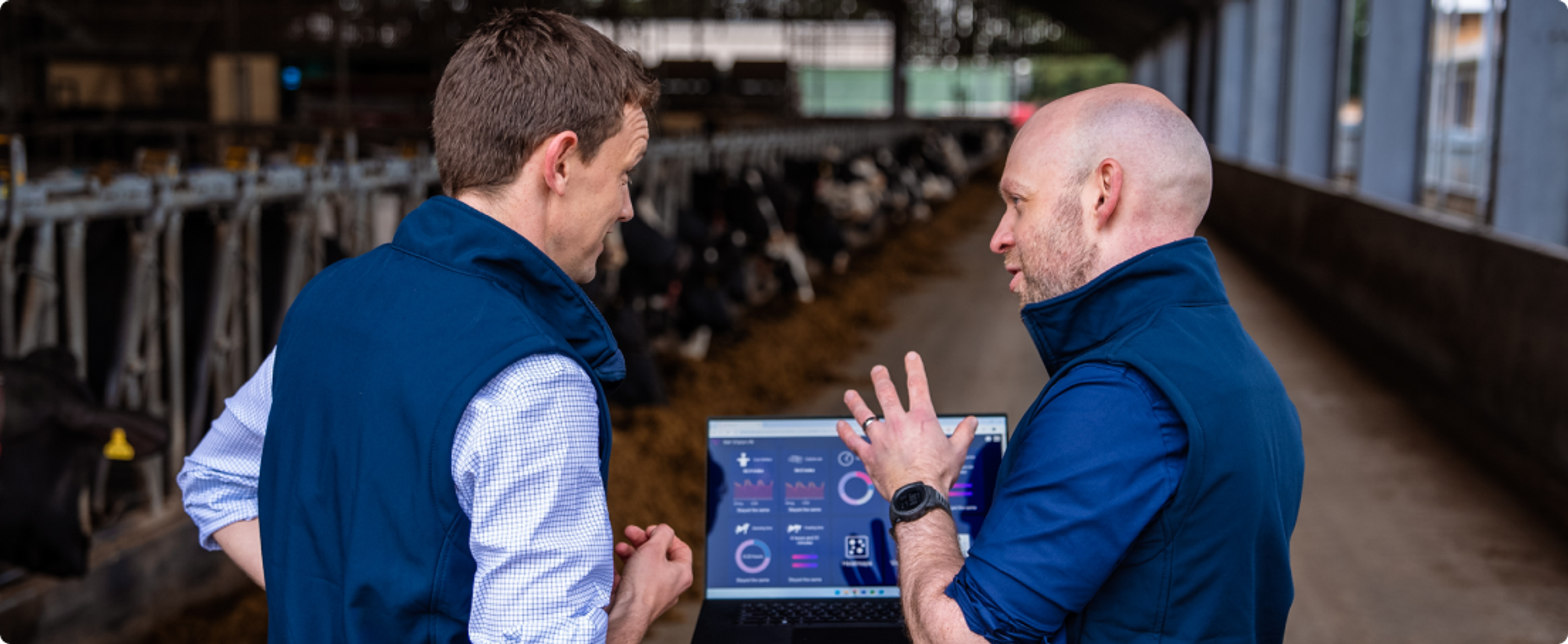
Vets and animal health advisers are uniquely positioned to advocate for cow comfort improvements through objective assessment of cow housing and management. There are practical areas that advisers can assess to support cow comfort.
- Evaluate cubicle comfort and design. During herd checks, evaluate cubicle design, cleanliness, and bedding quality. Ensure cubicles are of adequate size, number and cleanliness.
- Encourage proper stocking densities. Assess stocking density to reduce competition and bullying for resources. There should be at least 5% more cubicles than cows.
- Optimise feed management. Work with farmers to implement feeding schedules that align with cows' natural behaviours. Delivery of fresh feed and feed push-ups are major drivers of feeding behaviour.
- Implement health monitoring technology for early intervention. Work with farmers to interpret monitoring data, track changes, and use that information to improve herd health and welfare.
- Assess time budgets with farmers. Measuring the time budget is the first step towards accommodating the cow's optimal daily schedule and improving productivity and health.
The role of vets in driving positive change
As vets and animal health advisers, we are trusted aides to dairy farmers, and our insights are important factors in management decisions. By advocating for improved cow comfort, we help farmers build healthier herds, increase productivity, and create more sustainable, profitable dairy operations.
Through regular check-ins, bespoke recommendations, and objective, evidence-based improvements to cow comfort, meaningful changes can be made to welfare and profitability, one comfortable cow at a time.
About the author

MRCVS · Nuffield Scholar 2022
Former Veterinary Lead
International veterinary surgeon and 2022 Nuffield Farming Scholarship recipient. British Veterinary Association Policy Committee member. Leads practical application of AI insights across cattle and equine welfare.
LinkedIn