Expert Opinion: How Improved Cow Comfort Increases Both Profit and Sustainability
Improving cow comfort leads to higher milk yields, better health, and lower costs. Professor Martin Green summarises the evidence behind profitable, sustainable dairy management.

When investing in changes to cow management, cow comfort can easily be overlooked, but it can be one of the most fundamental factors in creating a successful dairy operation. Professor Martin Green, global leading veterinary expert and researcher, summarises the evidence for the crucial role that cow comfort plays in a profitable, sustainable dairy business.
The relationship between cow comfort and profitability
Dairy cow comfort is a critical factor in modern dairy cow management, influencing both production and profitability. Research has demonstrated that improving cow comfort leads to increased milk yields, better health, and reduced costs associated with disease and disease control.
Increased milk yields and revenue
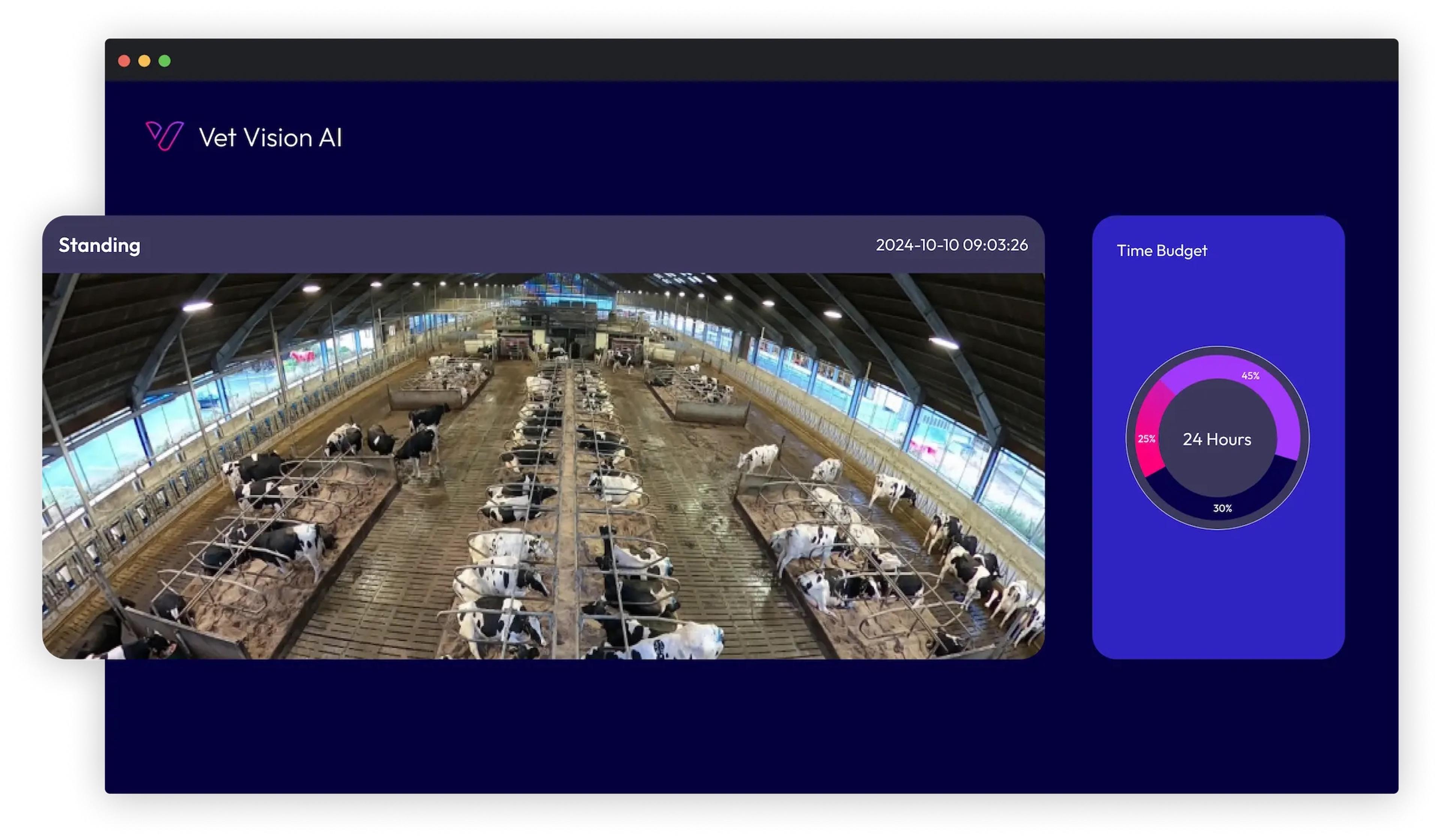
Comfortable cows generally produce more milk, which directly translates to higher revenue. The longer cows rest, the more milk they produce. Discomfort leads to increased standing times, reduced feeding times and metabolic dysfunction, which reduces the efficiency of metabolic processes. Even small improvements in metabolic efficiency can result in significant financial gains.
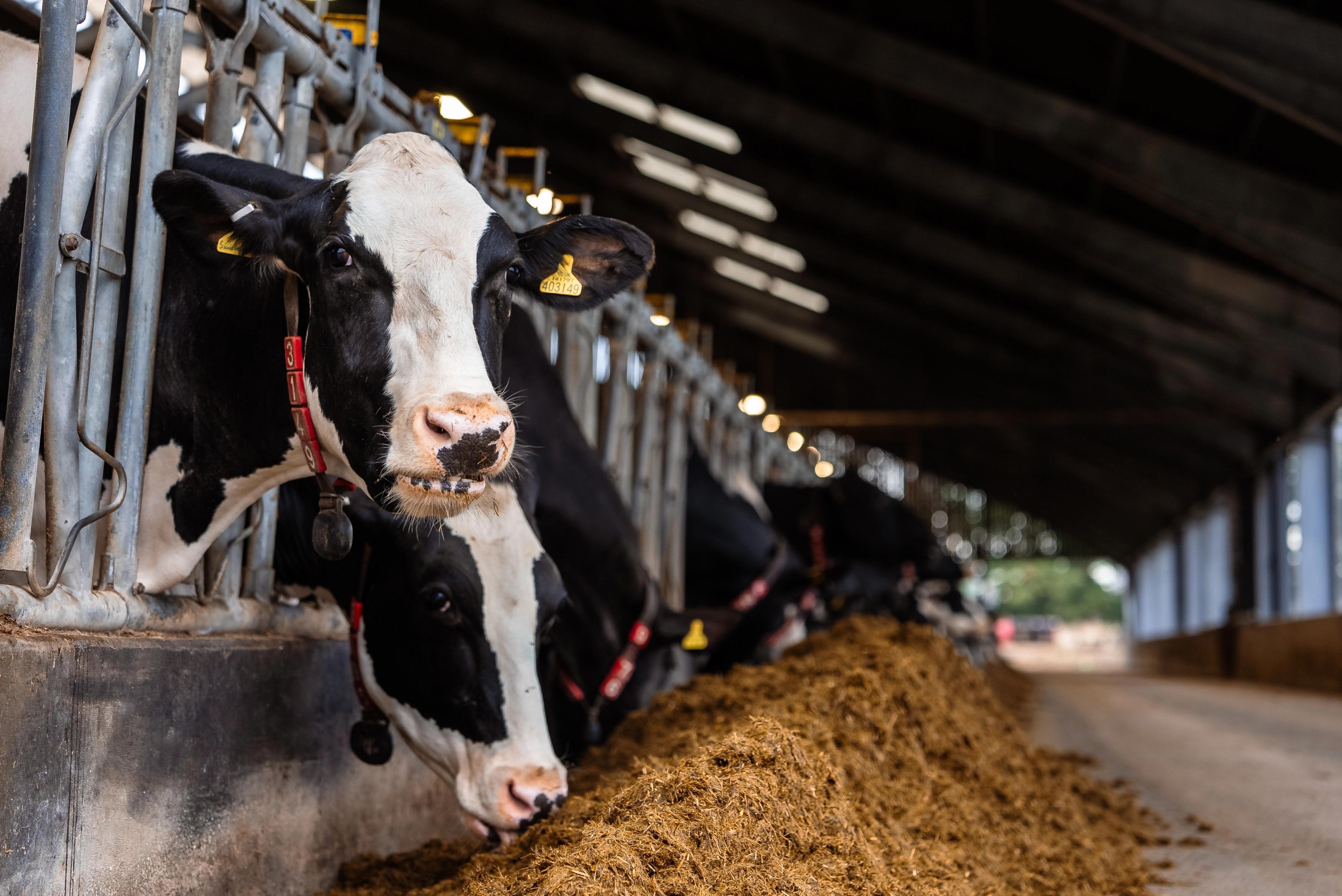
Lying time is considered one of the most critical components of cow comfort. Dairy cows typically spend 10 to 14 hours per day lying down, during which they ruminate and rest. Comfortable bedding materials, such as sand, deep straw or mattresses, ensure cows rest without discomfort or risk of injury.
Research shows that when cows are forced to stand for extended periods due to inadequate bedding or inadequate space, milk yields decline significantly. Investments in high-quality bedding and adequate space yield a strong return by boosting milk production. Maintaining 5-10% more cubicles than cows appears to be optimal for maximising yield.
Reduced veterinary treatment costs
Improved cow comfort leads to healthier cows, reducing treatment costs and time input from farm staff. Comfortable cows with clean, dry bedding are less likely to develop mastitis; a reduction of only 5 cases per 100 cows each year increases profit by approximately £3,000 per year in a 200-cow herd.
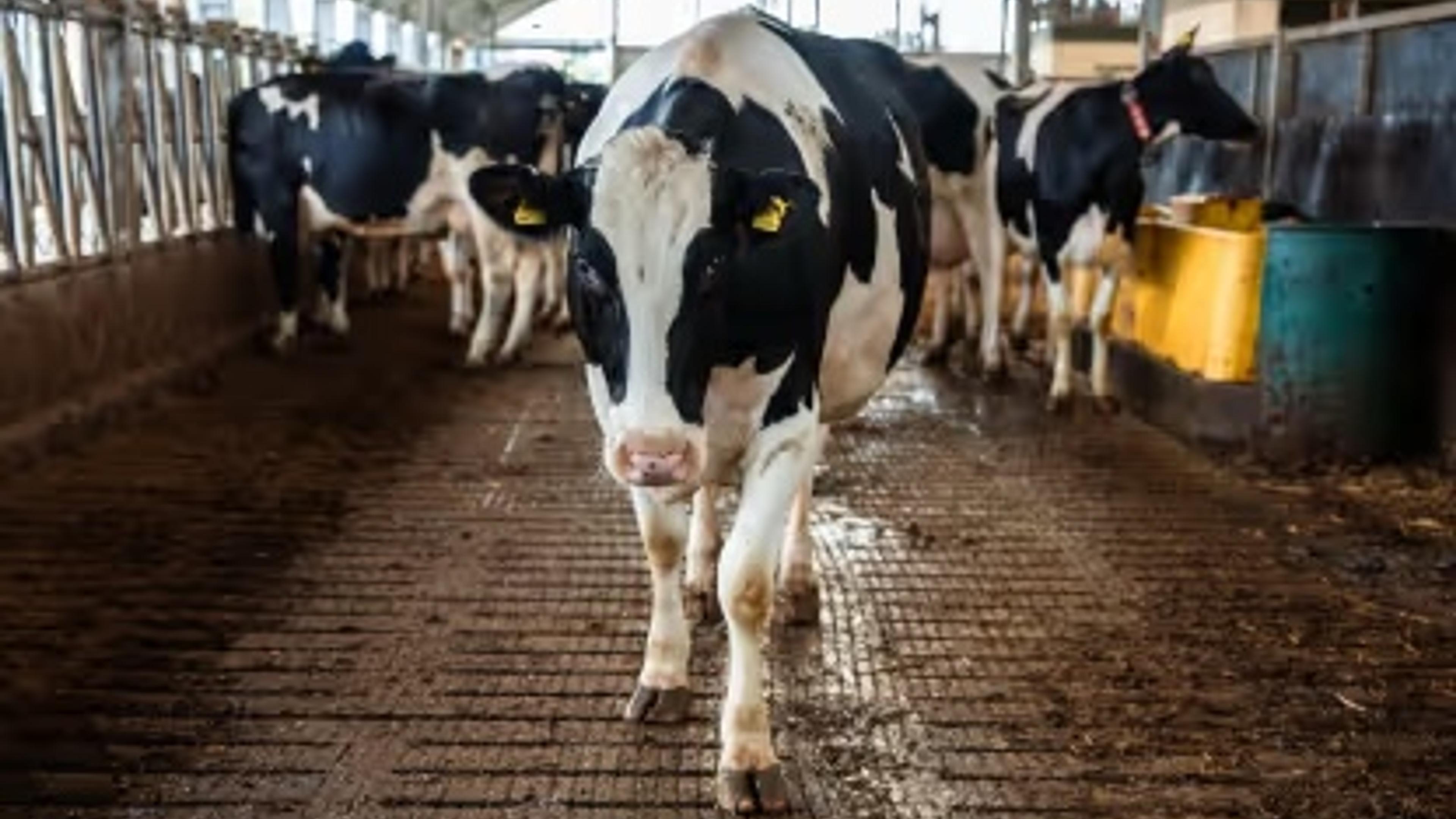
Lameness is another costly issue that can be mitigated by improving cow comfort. Uncomfortable beds and hard, slippery, or poorly maintained flooring increase the risk of lameness, leading to reduced mobility, lower milk production, and higher culling rates. Similar to mastitis, a reduction of only 5 cases per 100 cows each year increases profit by approximately £5,000 per year in a 200-cow herd.
Better reproductive performance
Reproductive performance is a key determinant of dairy farm profitability. Metabolic stress and discomfort negatively impact reproductive efficiency, leading to longer calving intervals, lower conception rates and increased culling.
Comfortable cows are more likely to exhibit natural oestrus behaviours, facilitating timely breeding and improving reproductive outcomes. Enhanced reproductive performance reduces the costs associated with extended dry periods and the need for additional reproductive interventions, contributing to overall profitability.
Lower mortality and culling rates
Improved cow comfort is associated with lower culling and replacement rates. Comfortable cows are less prone to injuries and chronic health issues, resulting in lower mortality and culling rates. Premature culling is expensive, as it requires replacing productive cows with heifers, rearing costs and lost production during the transition.
Helping to reduce environmental impact
Improving cow comfort has significant environmental benefits, generally leading to positive outcomes for sustainability and resource use. This occurs partly through increased efficiency of milk production and reduced culling, but a variety of issues are important.
Better feed conversion
Comfortable cows tend to have better digestion and feed efficiency, resulting in lower methane emissions per unit of milk or meat produced. Lower disease rates also mean reduced methane output associated with maintaining less productive animals.
Better manure management
Comfortable housing designs, such as cleaner bedding and properly ventilated buildings, often improve manure collection and storage. This reduces the risk of runoff and groundwater contamination from manure.
Optimised land use and reduced waste
Healthier and more productive cows require less land for grazing and feed crop production, which preserves natural habitats, reduces deforestation, and supports biodiversity. Comfortable cows eat more efficiently, minimising energy and resources wasted on unproductive animals.
Lower antibiotic and hormone use
Since comfortable cows are less likely to develop diseases, there is reduced need for antibiotics or hormonal products. As well as having financial advantages, this minimises the potential for antimicrobial resistance, a critical issue associated with both animal and human health.
Economic implications of cow comfort investments
While improving cow comfort requires initial investment, the long-term economic benefits generally outweigh these costs. Upgrading facilities with better cubicles, bedding, ventilation, and space may involve significant initial expenses, but these changes typically result in higher milk yields, lower veterinary costs, and improved labour efficiency.
Studies and real-world examples illustrate the economic benefits of prioritising cow comfort. A study in the Netherlands found that farms with higher cow comfort scores achieved significantly higher milk yields and lower incidences of disease. A UK study showed a positive return on investment for providing additional living space, mainly through increased milk yield and reduced treatment costs.
Conclusion
Dairy cow comfort is a cornerstone of profitable dairy farming. By prioritising the wellbeing of their animals, farmers can achieve higher milk yields, lower veterinary costs, improved reproductive performance, and enhanced labour efficiency.
Investments in facilities, management practices, and technology that enhance cow comfort not only benefit the cows but also contribute to the long-term success of the dairy operation. As the industry continues to evolve, placing greater emphasis on animal welfare will remain a key strategy for sustainable and profitable dairy farming.
References
Bach, A., N. Valls, A. Sloans, and T. Torrent. 2008. Associations between nondietary factors and dairy herd performance. Journal of Dairy Science 91:3259-3267.
Calamari, L., F. Calegari, and L. Stefanini. 2009. Effect of different free stall surfaces on behavioural, productive and metabolic parameters in dairy cows. Applied Animal Behavior Science 120:9-17.
Cook, N. B., R. L. Mentink, T. B. Bennett, and K. Burgi. 2007. The effect of heat stress and lameness on time budgets of lactating dairy cows. Journal of Dairy Science 90:1674-1682.
de Ondarza, M. B. and J. M. Tricarico. 2017. Review: Advantages and limitations of dairy efficiency measures and the effects of nutrition and feeding management interventions. The Professional Animal Scientist 33(4):393-400. https://doi.org/10.15232/pas.2017-01624.
Gomez, A., and N. B. Cook. 2010. Time budgets of lactating dairy cattle in commercial freestall herds. Journal of Dairy Science 93:5772-5781.
Drissler, M., M. Gaworski, C. B. Tucker, and D. M. Weary. 2005. Freestall maintenance: effects on lying behavior of dairy cattle. Journal of Dairy Science 88:2381-2387.
Grant, R. J. 2007. Cows under pressure: What have we learned about stocking density and natural cow behavior? Proceedings 47th Annual New England Dairy Feed Conference and Ruminant Nutrition and Health Conference.
Ruud, L. E., K. E. Boe, and O. Osteras. 2010. Associations of soft flooring materials in free stalls with milk yield, clinical mastitis, teat lesions, and removal of dairy cows. Journal of Dairy Science 93:1578-1586.
Stone, W. C. 2004. Nutritional Approaches to Minimize Subacute Ruminal Acidosis and Laminitis in Dairy Cattle. Journal of Dairy Science 87:E13-E26. https://doi.org/10.3168/jds.S0022-0302(04)70057-0.
Thompson JS, Hudson CD, Huxley JN, Kaler J, Robinson RS, Woad KJ, Bollard N, Gibbons J, Green MJ. 2022. A randomised controlled trial to evaluate the impact of indoor living space on dairy cow production, reproduction and behaviour. Scientific Reports 12:3849.
Thompson JS, Hudson CD, Huxley JN, Kaler J, Green MJ. 2024. Stochastic simulation modeling of the economics of providing additional living space for housed dairy cows. Frontiers in Veterinary Science 11:1473696.
van Eerdenburg, F. J. C. M. 2013. A cow comfort monitoring scheme to increase the milk yield of a dairy farm. Wageningen Academic. https://doi.org/10.3920/978-90-8686-771-4_03.
About the author

Professor · BVA Dalrymple-Champneys Cup and Medal
Scientific Adviser
Distinguished veterinary surgeon and researcher. Recipient of the British Veterinary Association Dalrymple-Champneys Cup and Medal for outstanding contributions to veterinary knowledge.