Reimagining Veterinary Practice with AI Vision Technology
AI is not just improving the lives of animals. It is also changing the lives of the people who look after them, and reshaping what veterinary practice can become.

In veterinary practice, sometimes the toughest challenges are not from the work itself, but from the constant demands of clients, colleagues, the industry, and the demands we put on ourselves.
As AI and vision technology become more sophisticated, we are seeing a shift that is redefining what our work looks like. With AI-driven solutions handling many of the routine jobs, we can step into a new kind of practice: one that engages customers, offers flexibility and new revenue opportunities, expands skill sets, and creates more engaged, diverse, and sustainable workforces.
AI camera technology: moving beyond constant surveillance
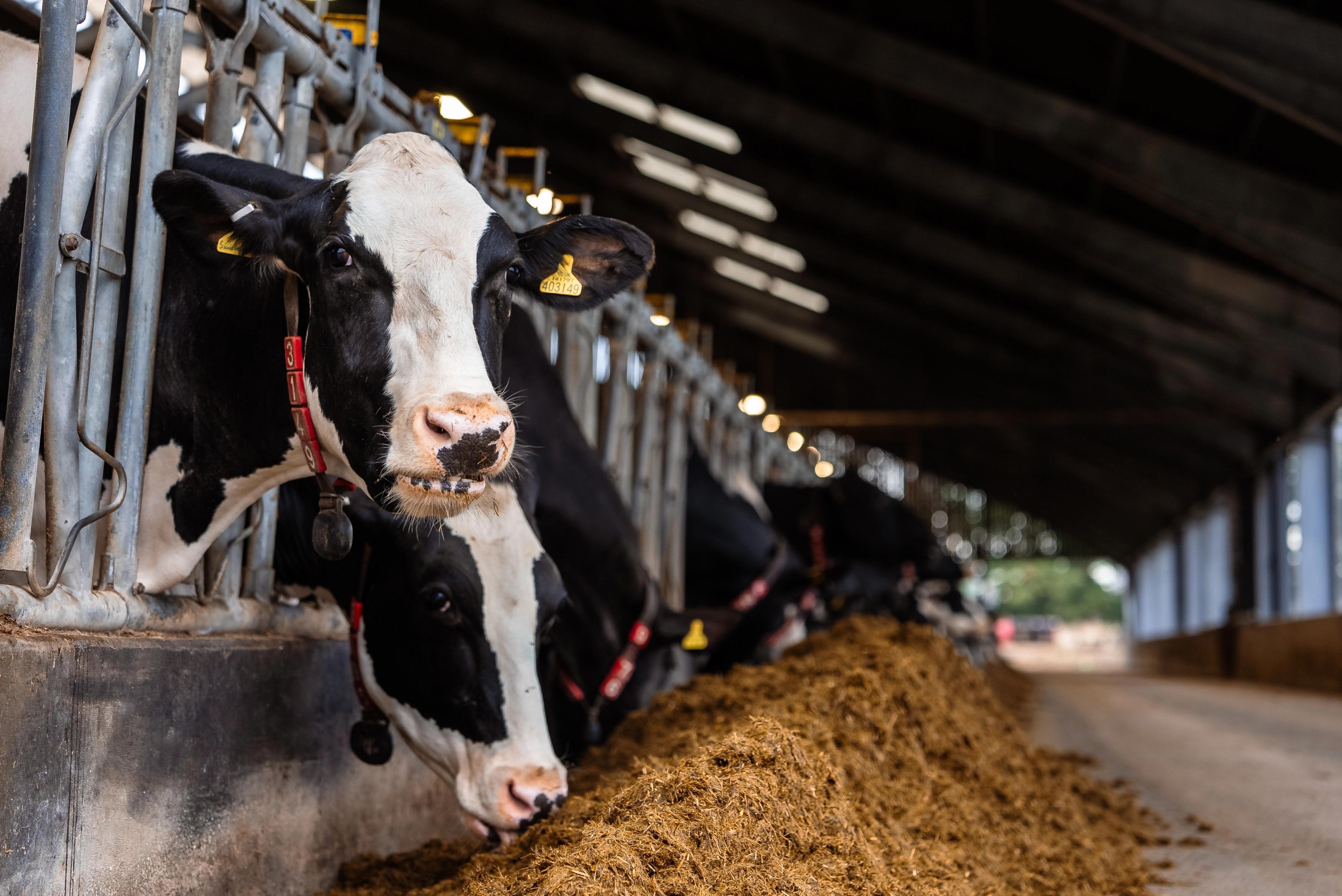
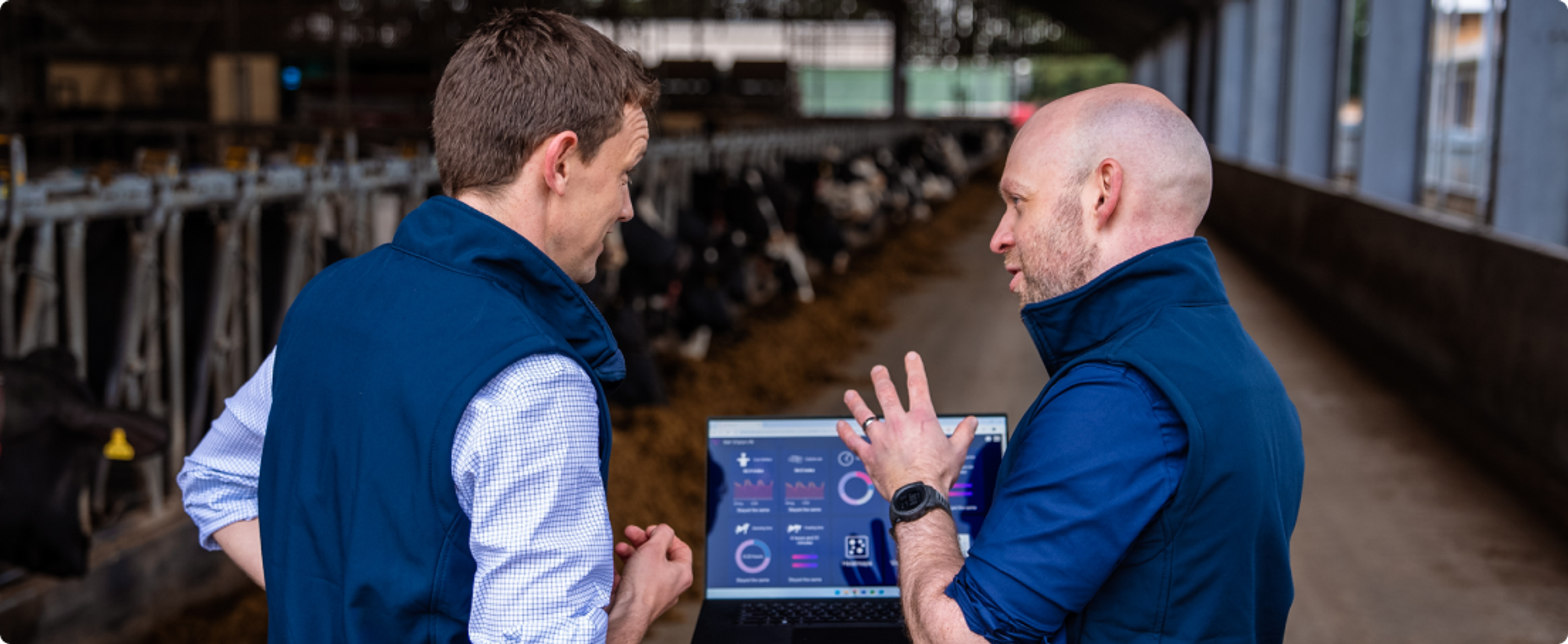
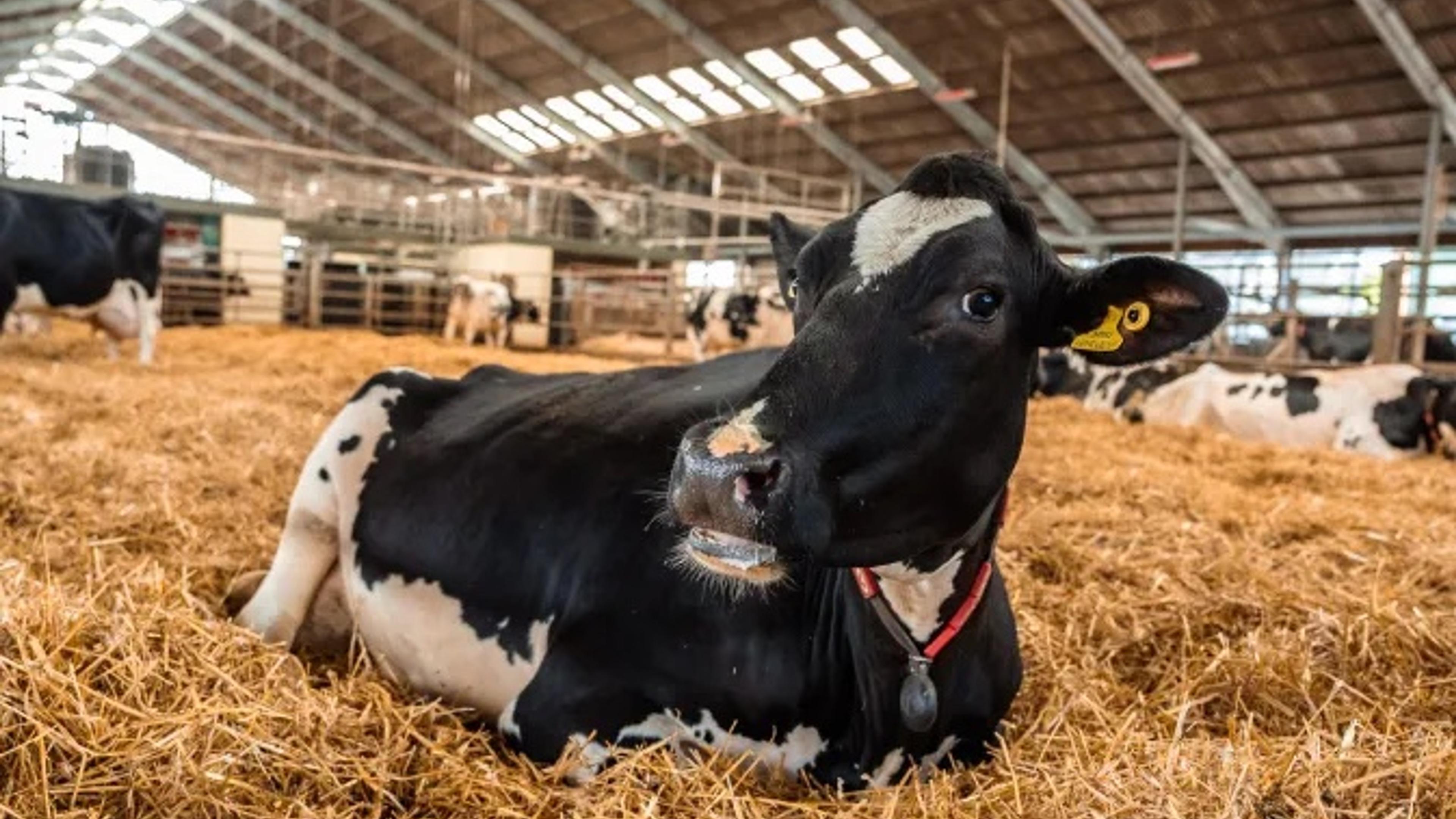
As vets, we know the challenges of building relationships with clients and trying to keep tabs on what is happening on their farms, but often we are not there for days or weeks at a time. AI camera technology is changing the game by taking on continuous monitoring tasks which are not just passively recording. They are actively analysing, detecting patterns in welfare and behaviour, looking for early stages of illness or management mishaps, and flagging abnormalities 24/7.
This technology allows for proactive, data-backed monitoring and incisive interventions. It fills vets in on everything that is happening for the other 6.5 days of the week when they are not there, allowing for more impactful engagement between vets and farmers.
Flexibility and work-life balance: practical implications for a more diverse workforce
The flexibility that AI camera monitoring offers cannot be overstated. Traditional veterinary practice demands physical presence both in the field and in the clinic, which can limit career options for those juggling responsibilities like caregiving, vets facing illness or injury, or those who simply want a better work-life balance.
With AI enabling in-depth, remote farm monitoring and a shift to a more consultative veterinary model, practices can embrace at least a partial step away from traditional regimented working hours, supporting vets to find better ways to balance professional and personal lives.
For many of us, this flexibility opens doors to work arrangements that are not only more inclusive but more sustainable in the long run. It means creating a profession that fits a wider variety of lifestyles and widens participation to those who may previously have found life in practice inaccessible.
Fostering engagement, reducing burnout and generating revenue
High turnover and burnout are familiar challenges in our field, but embracing the new insights that camera AI technology provides is changing the way vets engage with customers. Farmers are at the forefront of the agritech revolution and already embracing AI technology. Vets are well positioned to facilitate changes to animal health using the deep insights it provides.
A new, tech-savvy generation of vets who integrate cutting-edge technology into their daily veterinary care are well placed to take the lead and forge fulfilling and engaging careers, generating new revenue streams in the process. If vets do not grab this opportunity for animal health, someone else will.
Embracing change for a more sustainable veterinary future
AI in cattle monitoring is not just about keeping up with the latest tech. It is about real, meaningful changes to everyday life in veterinary practice. By actively analysing farm data 24/7, AI identifies insights that would otherwise be impossible to see. It allows vets to work flexibly and opens new doors for consultative services.
As we adopt these tools, we are not only improving animal welfare but also building a more flexible, sustainable, and valuable profession. It is a future where veterinarians can be fully engaged without being constantly present, where they can practise in a way that fits their lives, and where the profession is enriched by a wider range of perspectives and experiences.
About the author

MRCVS · Nuffield Scholar 2022
Former Veterinary Lead
International veterinary surgeon and 2022 Nuffield Farming Scholarship recipient. British Veterinary Association Policy Committee member. Leads practical application of AI insights across cattle and equine welfare.
LinkedIn