Case Study – How One Vet is Using AI Vision to Improve Animal Health
How are vets using camera vision AI to improve the health and welfare of animals under their care? Tom Angel MRCVS from Synergy Farm Health shares three examples from practice.

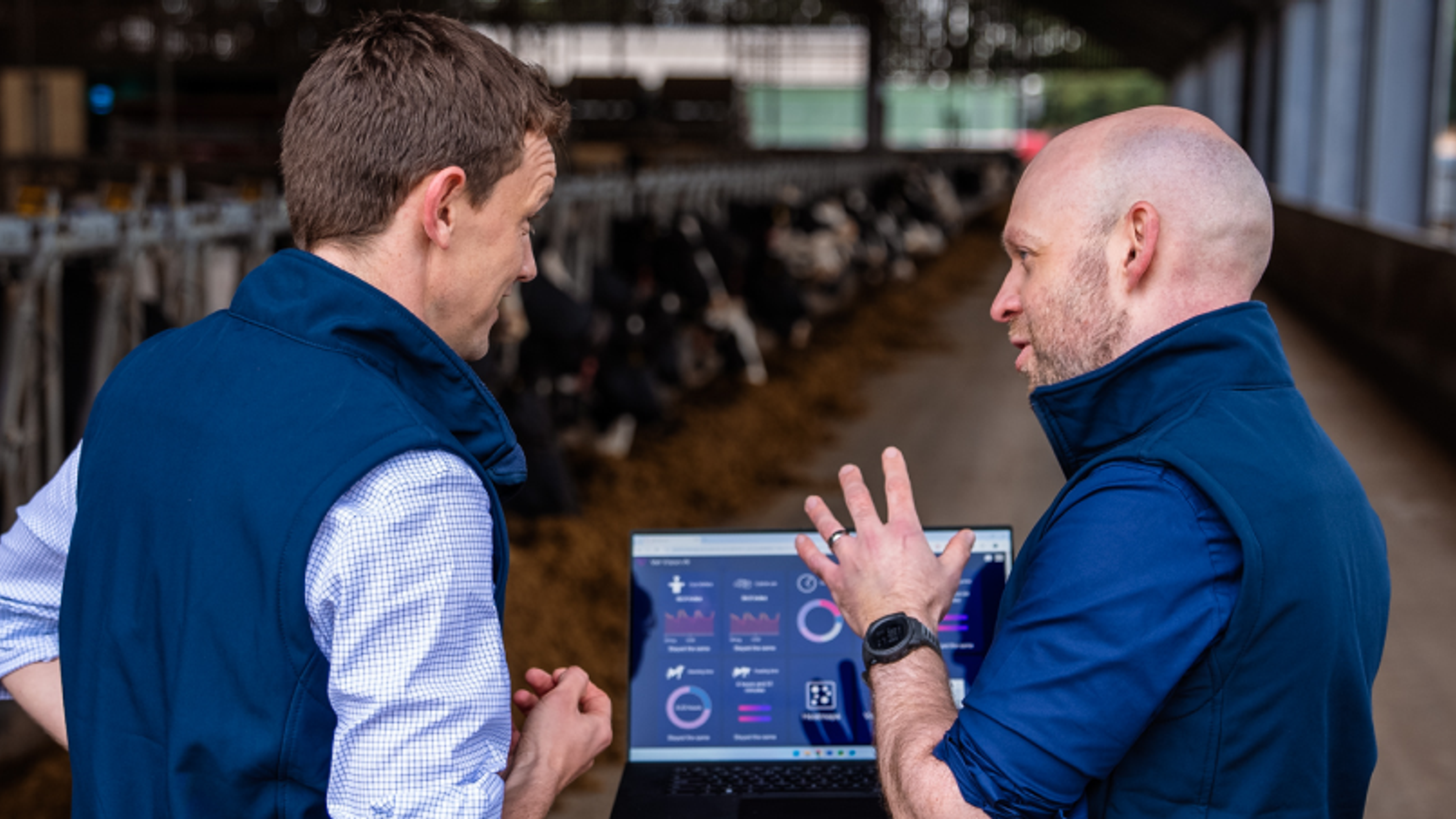
Tom Angel, Veterinary Surgeon at Synergy Farm Health, has been making great progress with using Vet Vision AI technology on his farms. Using different cameras he is making improvements to cow management, and subsequent health, welfare and productivity.
Improved heifer comfort
One of Tom's routine herds, a 500 cow, high-yielding Holstein herd reported poor performance in first lactation heifers. Early investigations revealed:
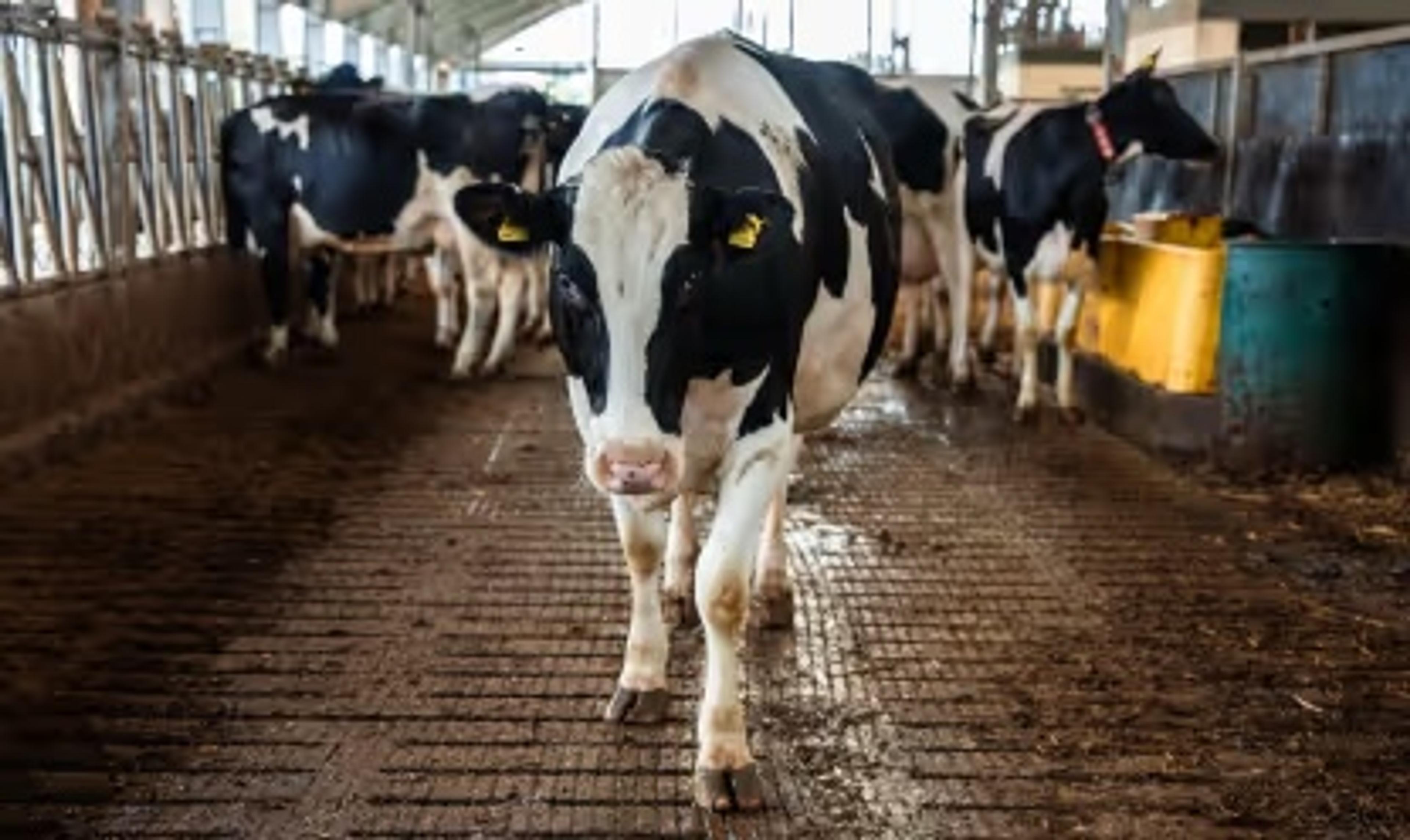
- Excessive sole bruising had been reported by the foot trimmer.
- Poorer than expected milk yields identified on milk recording.
The herd had a separate early lactation pen for heifers up to 100 days in milk, and they were concerned cow comfort in this shed and lack of cubicle training were contributing factors. Tom put cameras in for two weeks from 16-30 February, then moved them to the mid-late lactation pen on 8 March.
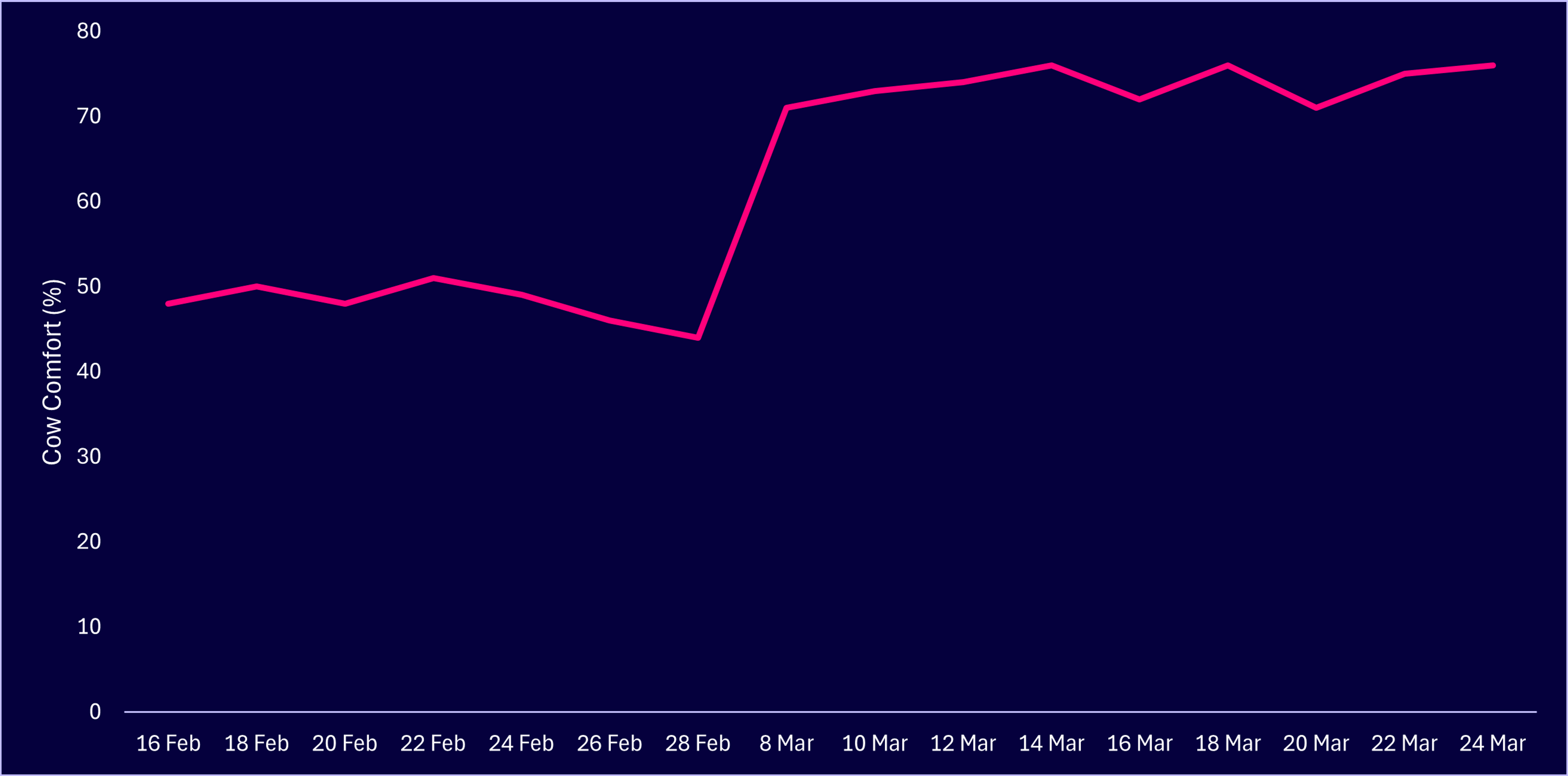
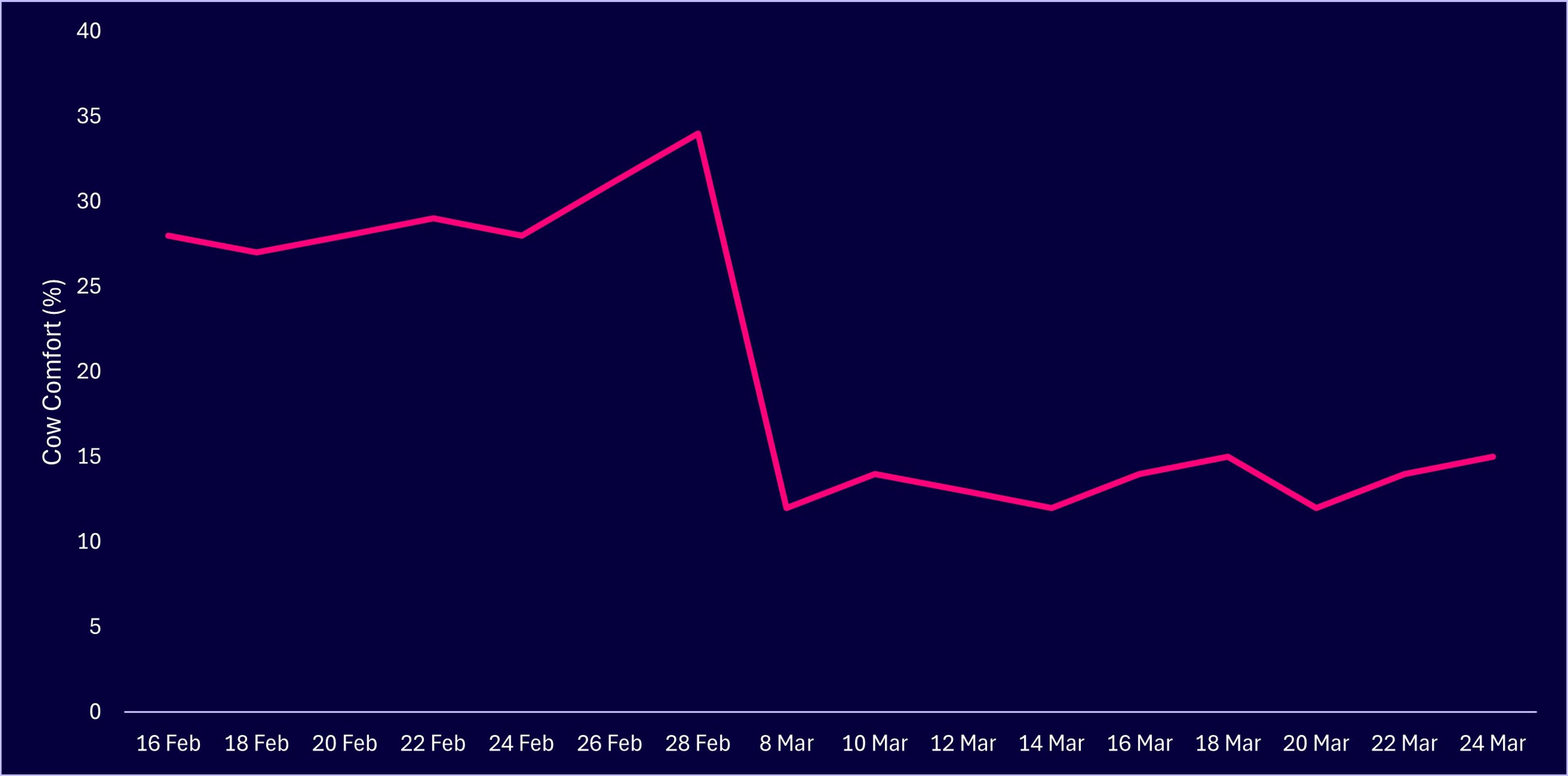
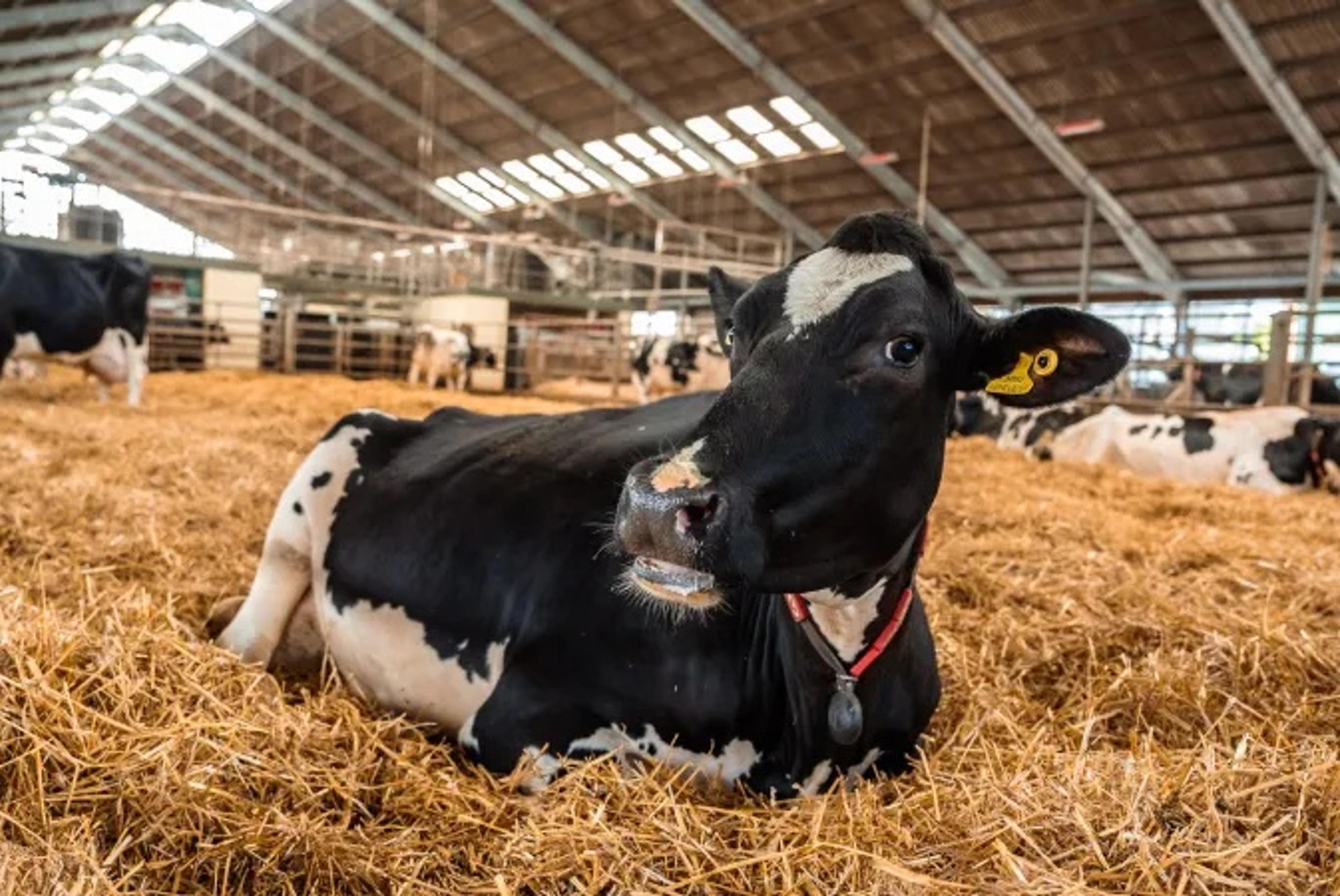
The data starkly quantified how much of an issue cow comfort was for these fresh heifers. Tom and the farmers are now exploring cubicle training heifers prior to calving and increasing cubicle comfort through deeper bedding for the under-100 DIM group. Each extra hour of lying time can equate to 1-1.5L/cow/day in milk yield, so the impact of improving cow comfort is likely to be significant.
New mattress assessment
The two sheds are symmetrical and almost identical, but one shed has had a recent investment in new mattresses, which is reflected in markedly higher cow comfort scores.
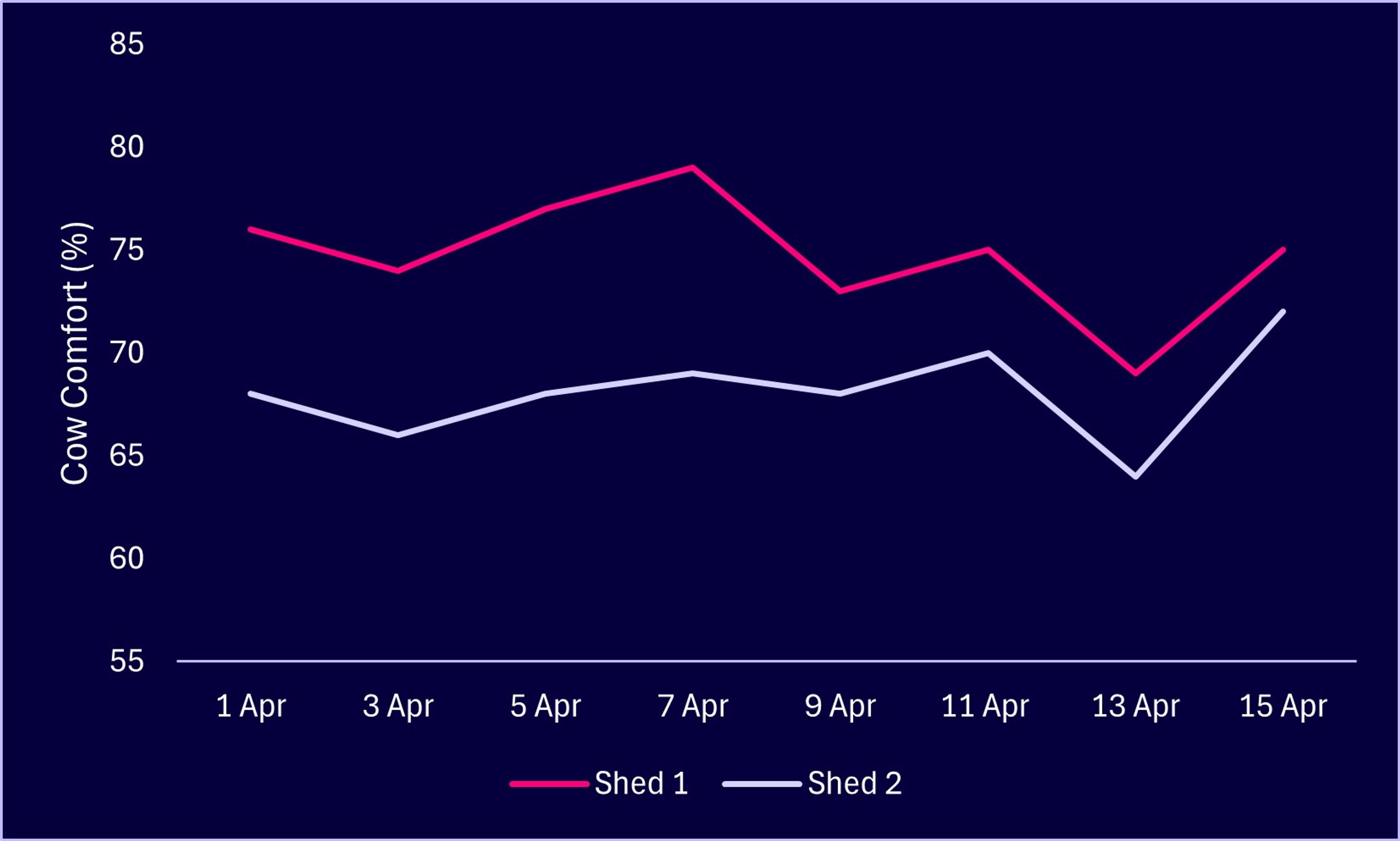
Prior to investing in new mattresses or bedding substrates, cameras can be used to test how cows might respond to such changes. By drawing zones around areas of interest, cow comfort, lying times and perching times can be analysed and potential management changes assessed before investment is made at a wider scale.
Changing feeding routine
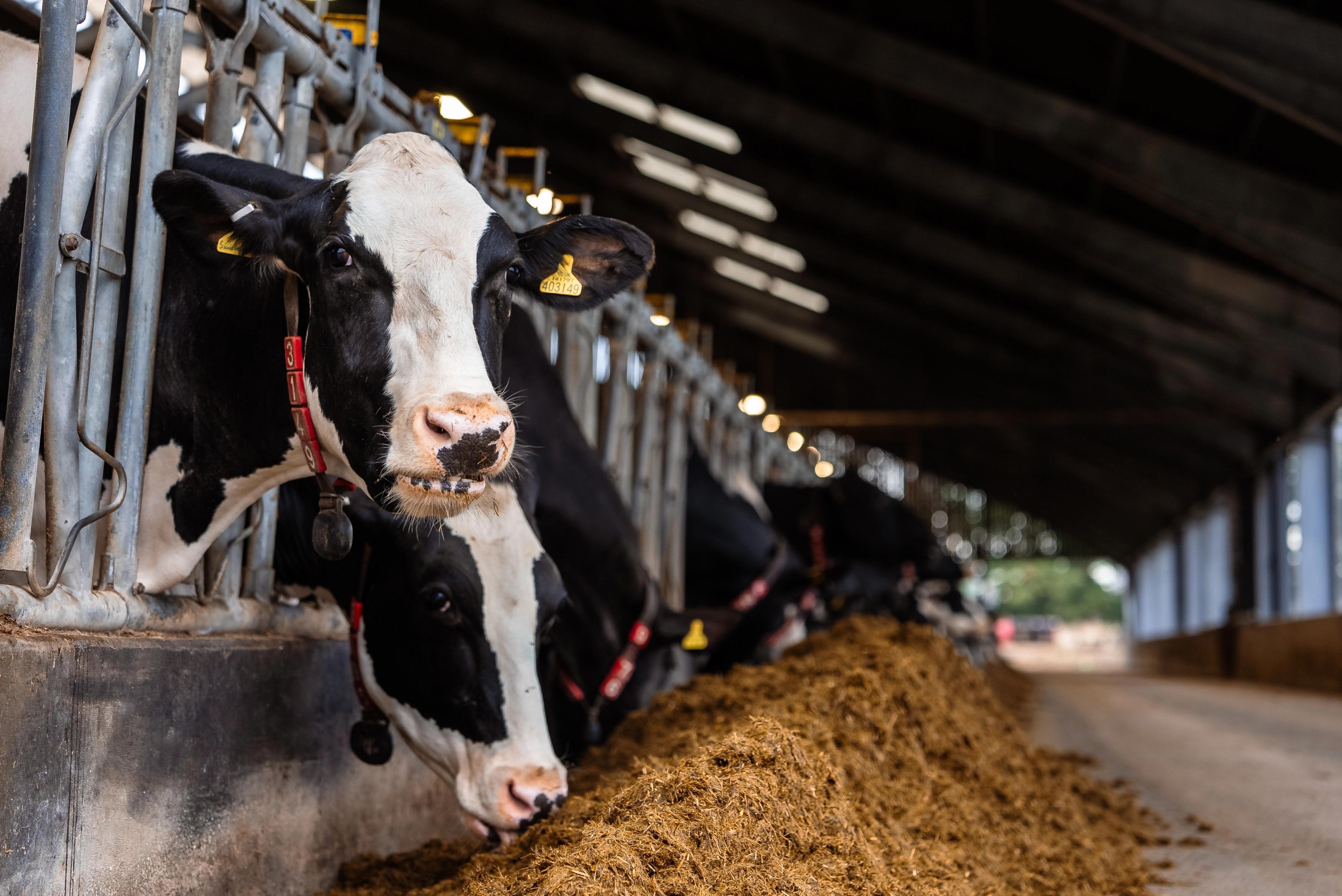
Tom wanted to analyse one herd's time budget, as he felt that the cows were underperforming despite diet, health status and nutrition being excellent. The herd is milking three times a day, and he noticed that feed intake was much higher after first milking of the day.
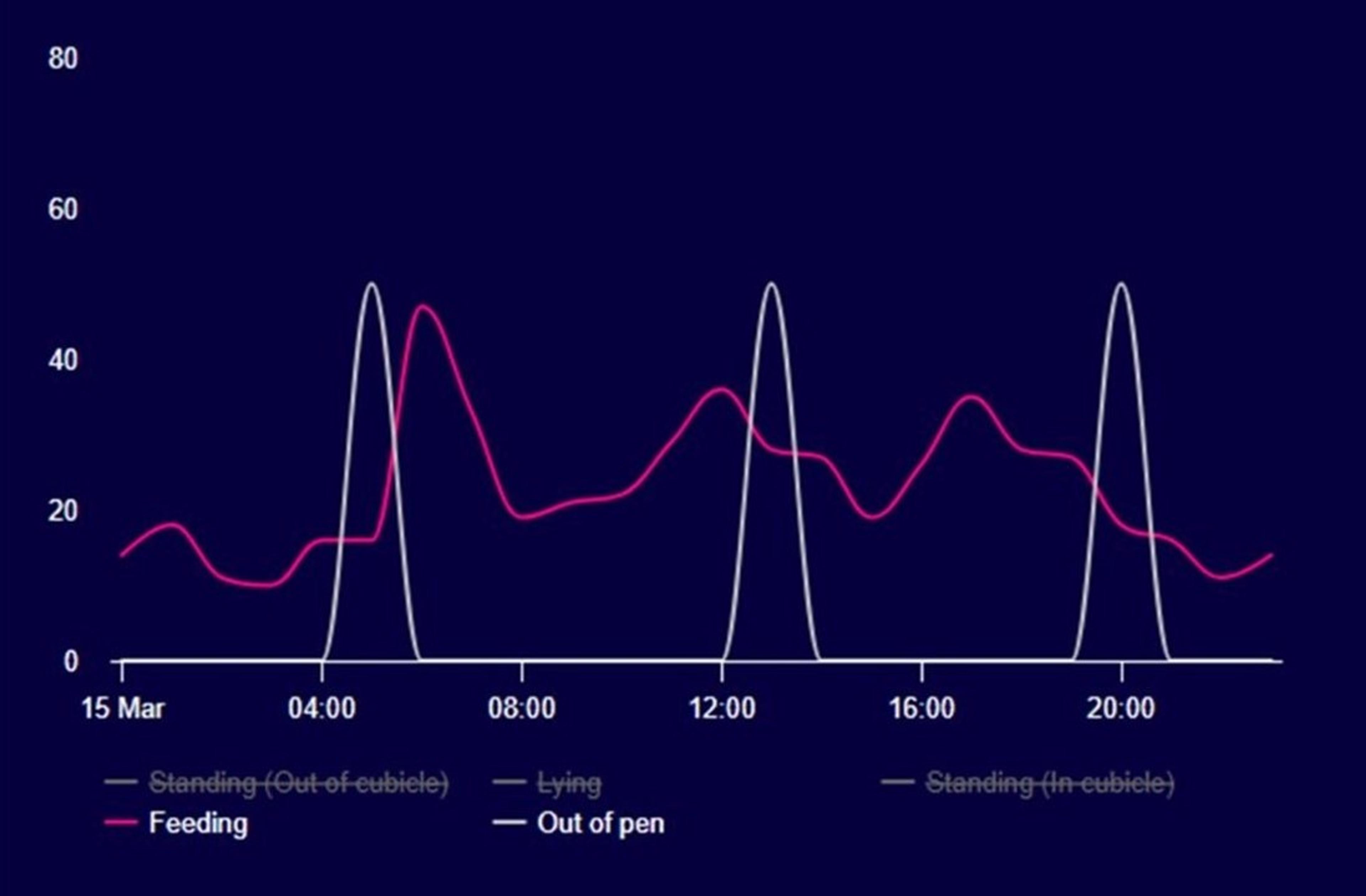
Knowing that the strongest drives for feeding are feed delivery and push-up, Tom recommended a change to the feeding schedule to feed directly after midday and afternoon milkings too. The results clearly showed how this change to feeding regime helped to increase dry matter intake.
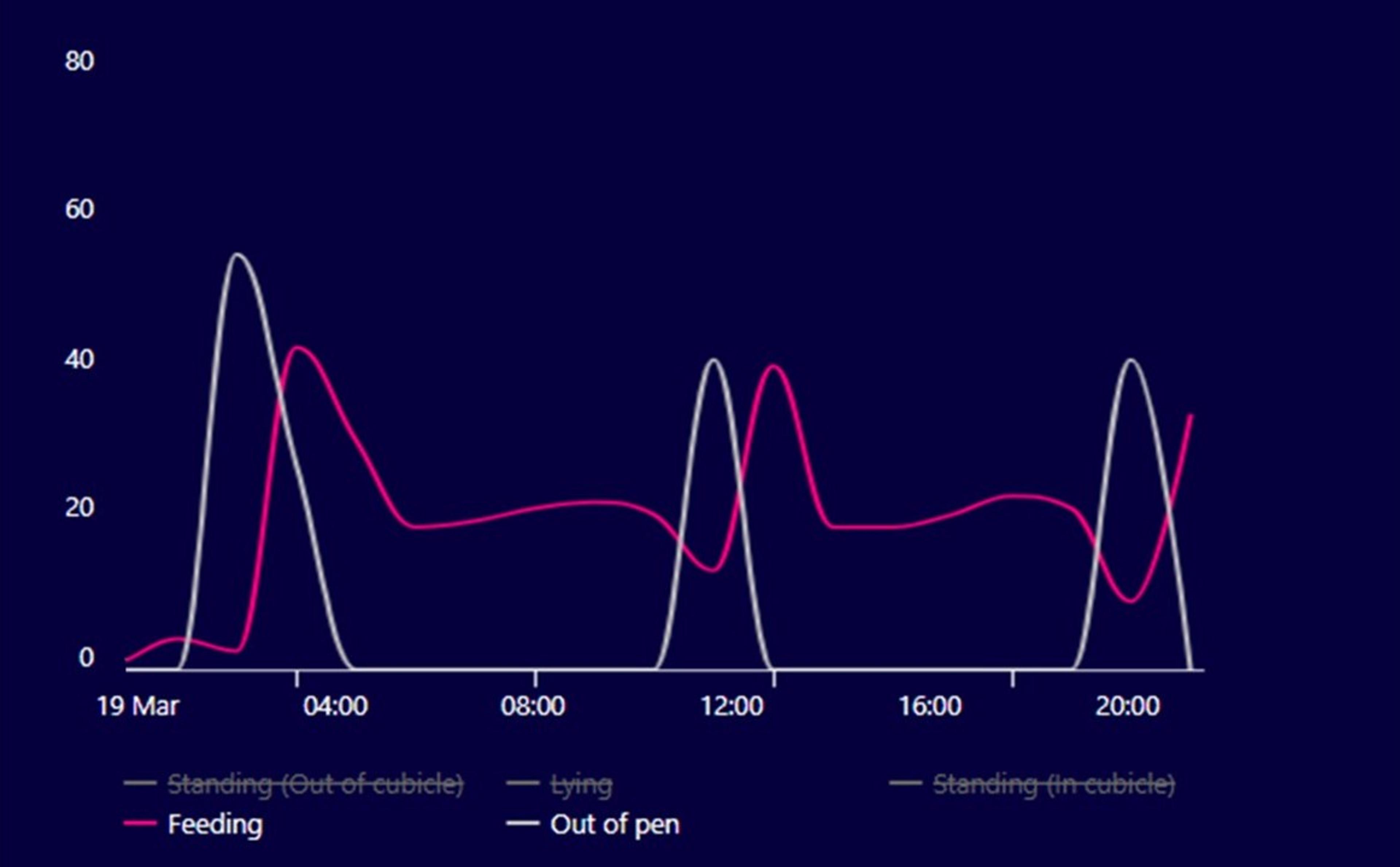
The 24/7 objective analysis provided by camera AI technology helped Tom to detect an issue which would otherwise have been difficult to identify from his weekly visits. By improving dry matter intake, Tom's advice has enabled this herd to improve feed efficiency, herd performance and reduce waste.
These are just some of the ways that vets are helping farmers to improve herd health, welfare and performance using camera vision AI.
About the author

MRCVS · Nuffield Scholar 2022
Former Veterinary Lead
International veterinary surgeon and 2022 Nuffield Farming Scholarship recipient. British Veterinary Association Policy Committee member. Leads practical application of AI insights across cattle and equine welfare.
LinkedIn